
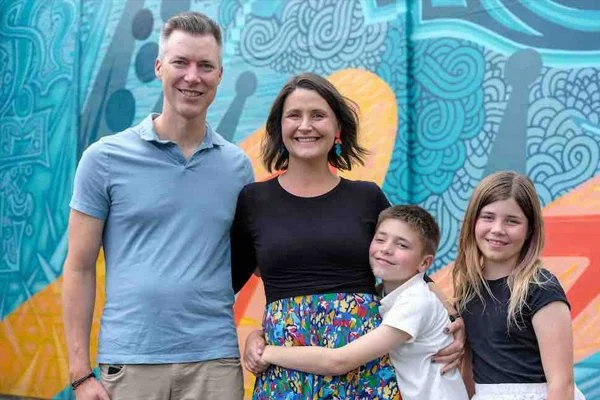
Colin Tessier quoted in Tyee article
Tracy Sherlock is a reporter for The Tyee who focuses on the needs and rights of children, youth and families, particularly in regards to the Ministry of Children and Family Development (MCFD). Quotes from Colin Tessier, in Sherlock’s article “Can Grace Lore Fix the Ministry for Children and Families?” highlights the need for bold action to stop the harm that often accompanies youth being connected to MCFD.
Ready or Not '23: Advocacy
While Threshold’s key focus will always be on providing safe homes, community, and support for youth, we recognize that without system change we are merely a small bucket trying to capture a waterfall. For that reason, within our areas of influence and expertise Threshold also advocates for policy and systems change at multiple levels.
Ready or Not '23: Emerging Adult Development
Youth with a history of trauma are at higher risk for negative outcomes later in life and delays in developing basic life skills. Youth who also have disabilities, both visible and invisible, face additional challenges with their emerging adult development. These lived experiences can lead to a reduced “window of tolerance” for stress which impacts different aspect of their lives including healthy relationships, employment, housing stability, and substance use.
Ready or Not '23: Culture, Spirituality & Wellbeing
Intergenerational trauma, colonization, and trauma during and resulting from the foster care system contribute to negative outcomes in personal wellbeing for youth. The Child Welfare League of Canada’s Equitable Standards for Transitions to Adulthood for Youth in Care outlines ways in which governments can better support culture, spirituality, and mental health in order to improve outcomes in personal wellbeing for former youth in care.
Ready or Not '23: Relationships
“Every young person should have people in their life that they can count on unconditionally and interdependently. Youth in care need to feel that they belong, have worth and are valuable members of their communities”
Ready or Not '23: Housing Support
It is no secret that stable housing is a key pillar in successful outcomes for youth. Census data from 2016 shows that nearly two-thirds (62.7%) of youth aged 20-24 still live with at least one parent, and almost 35% of youth aged 20-34 are living with at least one parent. The majority of Canadian parents provide ongoing housing support for their young-adult children, and these numbers are expected to continue to rise as the cost of living and inaccessibility of affordable housing increases. But what happens to youth whose parents can’t or won’t provide that support?
Ready or Not '23: Education & Professional Development
When a person has spent much of their life worrying about their safety, where they might sleep, how they will find enough to eat, etc. it has a significant negative impact on their ability to do well in school, learn new skills, and participate in developmental opportunities. This leaves a gap between youth in care or at risk of homelessness and their counterparts – a gap that money alone can’t bridge.